Physical Address
304 North Cardinal St.
Dorchester Center, MA 02124
Physical Address
304 North Cardinal St.
Dorchester Center, MA 02124

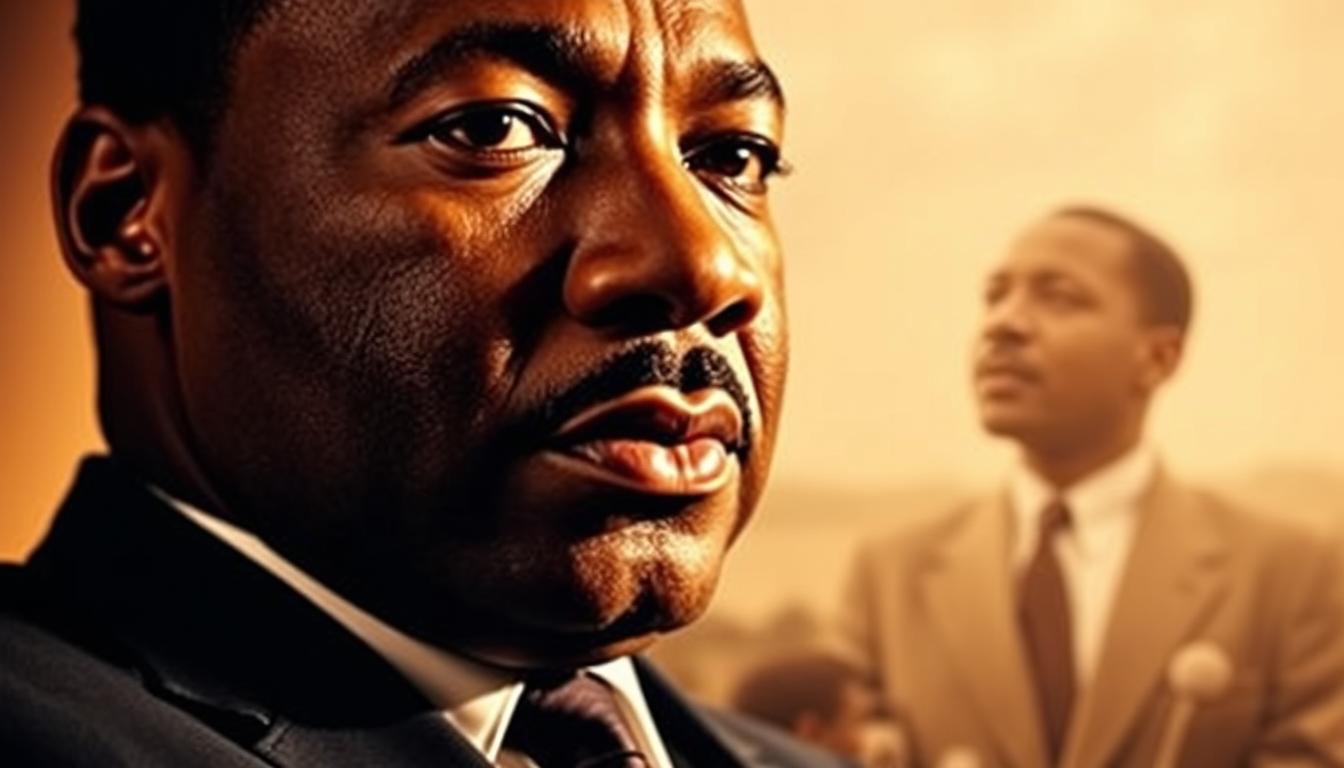
Reflecting on Martin Luther King Jr.’s last speech, you notice a haunting prophecy. On April 3, 1968, he gave his “I’ve Been to the Mountaintop” address in Memphis, Tennessee. This speech was a call to action for striking sanitation workers and hinted at his own death.
King’s speech was a showcase of his powerful oratory skills. He mixed biblical references with the fight for civil rights. He said, “I’ve seen the Promised Land. I may not get there with you. But I want you to know tonight, that we, as a people, will get to the Promised Land.” This statement was seen as a prediction of his death.
The speech was about supporting the Memphis sanitation workers’ strike. This labor dispute showed racial and economic injustices. King’s words and presence were powerful, but they also put him in danger.
King faced threats and violence throughout his life. He was stabbed in Harlem in 1958 and his home was bombed in Birmingham in 1964. By 1968, he knew the risks of fighting for civil rights and opposing the Vietnam War.
In the “I’ve Been to the Mountaintop” speech, King spoke of death with resolve, not fear. He emphasized the importance of the civil rights movement and his commitment to it, even when it put him in danger.
| Key Elements | Description | Significance |
|---|---|---|
| Promised Land Reference | King’s statement about seeing the Promised Land | Interpreted as a foreshadowing of his death |
| Context of the Speech | Support for Memphis sanitation workers’ strike | Highlighted racial and economic injustices |
| Premonition of Death | King’s awareness of the risks he faced | Demonstrated his resolve and commitment to the cause |
King’s last speech is one of his most famous speeches. It’s known for its powerful message and tragic timing. It shows his courage and the lasting impact of the civil rights movement.