Physical Address
304 North Cardinal St.
Dorchester Center, MA 02124
Physical Address
304 North Cardinal St.
Dorchester Center, MA 02124

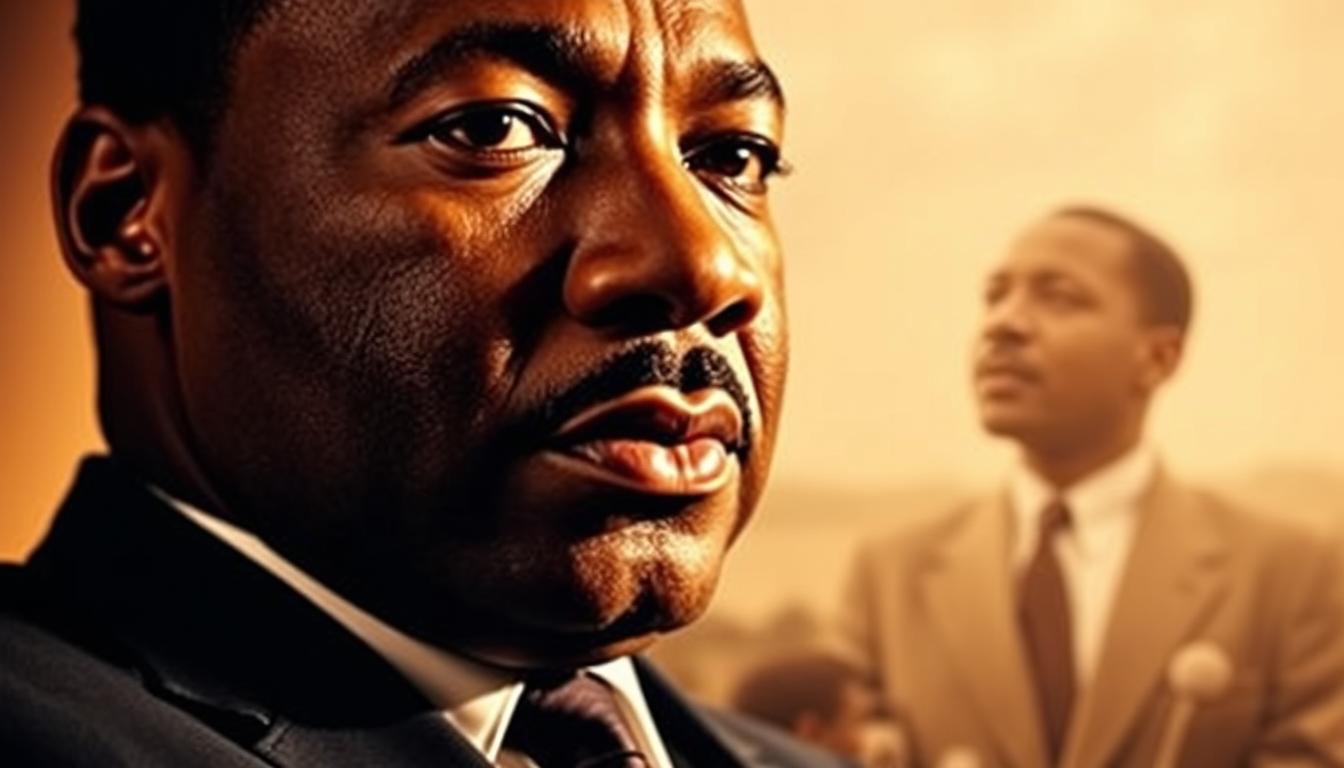
In 1958, King was stabbed at a book signing in Harlem. Izola Ware Curry, a mentally disturbed woman, attacked him with a letter opener. The wound was just inches from his aorta, and King was rushed to Harlem Hospital for surgery.
The stabbing was a turning point for King. It made him face his own mortality. The attack happened during a time of intense civil rights work. King’s survival was seen as a sign of his commitment.
The attack was by Izola Ware Curry, a 42-year-old woman. She was mentally unstable and believed King was a communist. She thought killing him would harm the communist threat.
The stabbing made King think deeply about his life and work. He realized how close he came to death. This made him more determined to fight for civil rights, despite the risks.
This experience also shaped his famous speeches. His “I’ve Been to the Mountaintop” speech predicted his assassination. The stabbing reinforced his resolve and message of hope and resilience.
| Year | Event | Impact on King’s Life |
|---|---|---|
| 1958 | Stabbing incident in Harlem | Increased determination to continue civil rights work |
| 1963 | “I Have a Dream” speech | Major milestone in the civil rights movement |
| 1968 | Assassination | Tragic loss of a leader, but continued legacy |
King’s survival in 1958 showed his strength and the importance of his work. It highlighted the risks he faced and the personal costs of his commitment. Despite this close call, King kept pushing forward, driven by his vision of a just society.