Physical Address
304 North Cardinal St.
Dorchester Center, MA 02124
Physical Address
304 North Cardinal St.
Dorchester Center, MA 02124

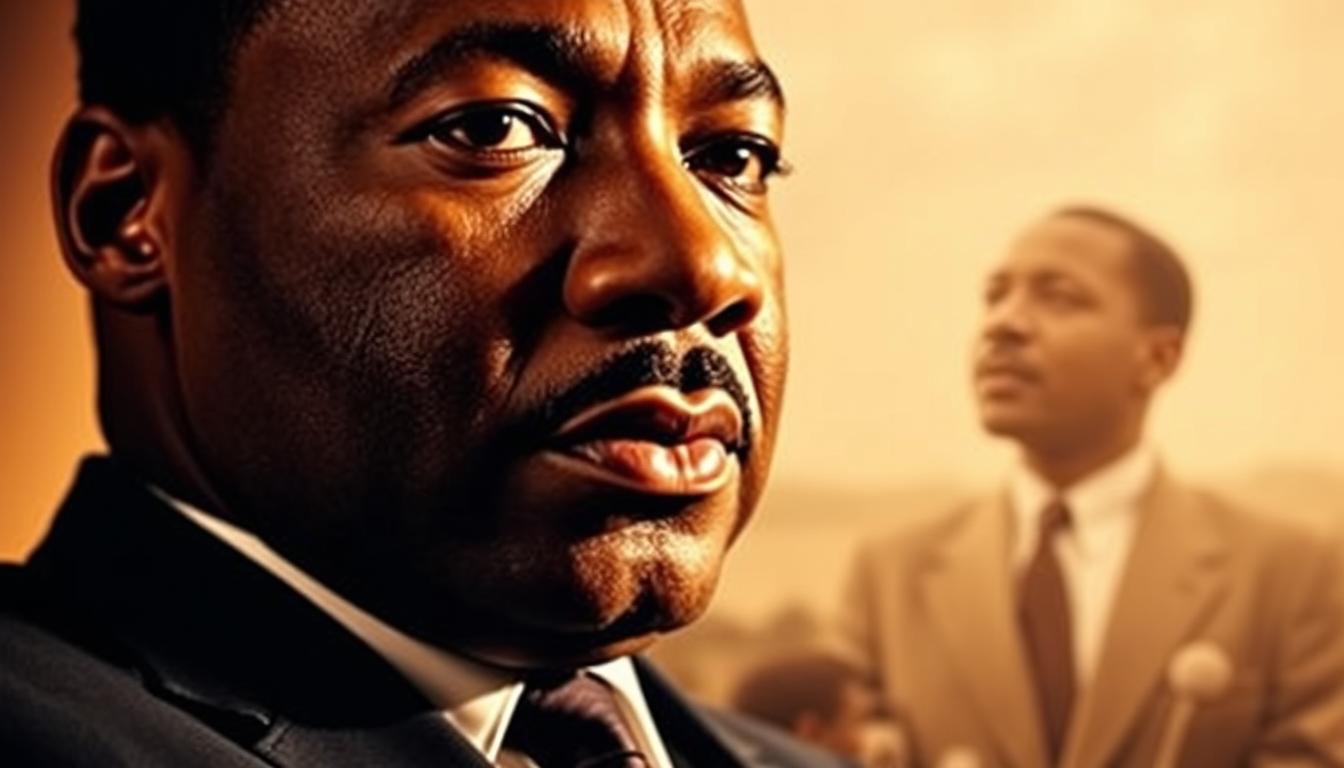
Did you know Martin Luther King Jr.’s relationship with the Kennedy administration was complex? As a key figure in the Civil Rights Movement, King’s interactions with the Kennedys were both cooperative and tense. This makes his biography even more interesting.
In 1960, Martin Luther King Jr. was arrested in Atlanta, Georgia. This caused a lot of worry among civil rights activists. Robert Kennedy, the Attorney General and brother of President John F. Kennedy, called Coretta Scott King, Martin’s wife. This call helped ease tensions and showed the Kennedy administration’s support for King.
The Kennedy administration’s relationship with King was not easy. There were worries about King’s ties to suspected communists, leading to FBI surveillance. Yet, the Kennedys saw King’s importance in the Civil Rights Movement and tried to support him.
To understand King’s relationship with the Kennedy administration, let’s look at some key moments. Here’s a table of significant events:
| Event | Date | Description |
|---|---|---|
| Robert Kennedy’s Phone Call to Coretta Scott King | 1960 | A gesture of support during King’s imprisonment, easing tensions between King and the Kennedys. |
| Meeting Between King and President Kennedy | 1962 | A meeting at the White House to discuss civil rights issues, marking a moment of cooperation. |
| FBI Surveillance of King | 1963-1968 | Intensive surveillance due to concerns about King’s associations, straining the relationship. |
Exploring King’s relationship with the Kennedy administration sheds light on the challenges civil rights leaders faced. It shows the delicate balance between political power and social activism.