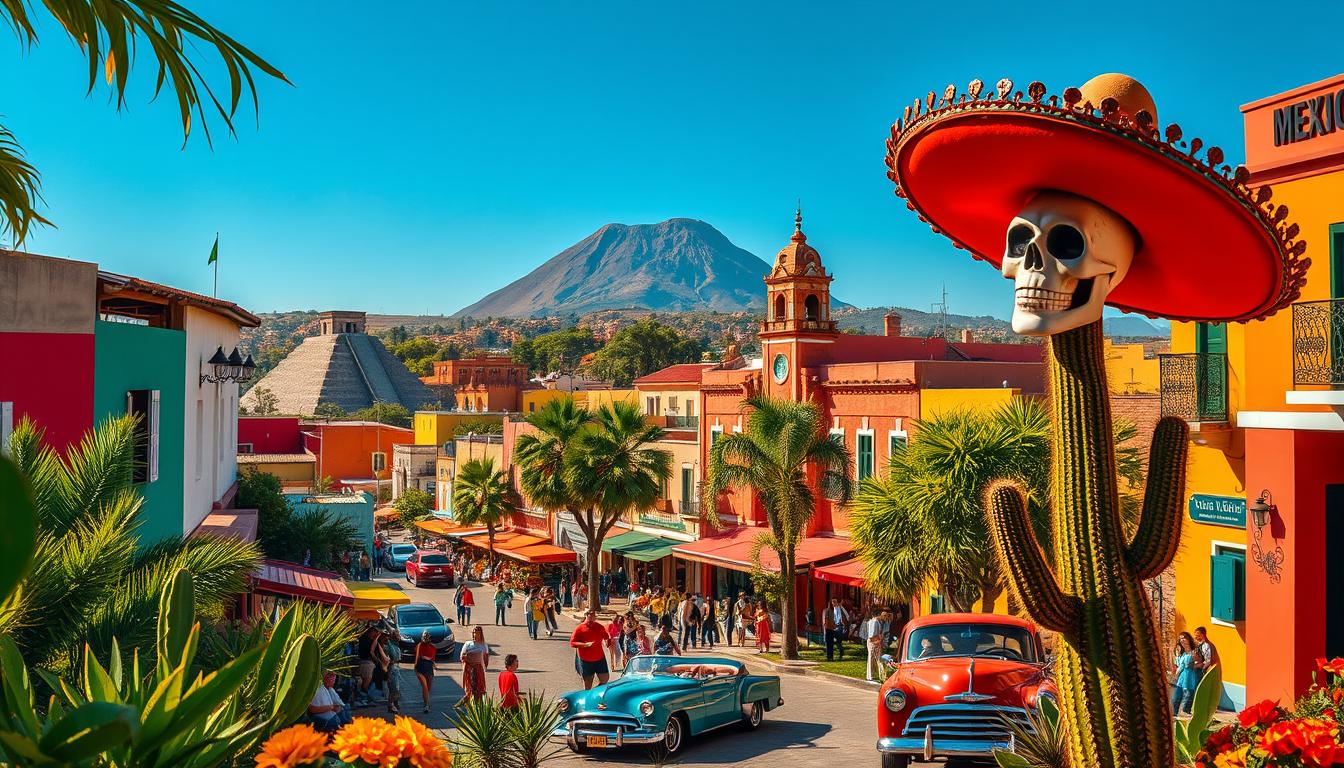
Fascinating Mexican Wildlife You Won’t Find Elsewhere
Exploring Mexico’s diverse ecosystems reveals fascinating wildlife unique to this region. Mexico boasts a wide range of animals found nowhere else, attracting wildlife enthusiasts. From the majestic gray whales in Baja California to the colorful birds and reptiles in rainforests and deserts, Mexico’s wildlife is both diverse and captivating.
Endemic Species That Call Mexico Home
Mexico is home to many endemic species, like the Axolotl, a salamander that can regrow its limbs. The Vaquita, the smallest porpoise, is found only in the Gulf of California. These species are not just fascinating but also vital to their ecosystems.
Conservation Success Stories in Mexican Ecosystems
Conservation efforts in Mexico have led to significant successes. For example, protecting the gray whale migration in Baja California ensures their survival. Efforts to protect monarch butterfly habitats have also shown promise, highlighting the need for conservation.
By learning about and appreciating Mexico’s unique wildlife, you can help protect these incredible species and their habitats. Discovering mexico fun facts like these can deepen your appreciation for the country’s natural wonders.
The Rich Linguistic Heritage of Mexico
Exploring Mexico’s culture reveals a unique and captivating linguistic heritage. The country boasts 68 recognized languages, with 63 indigenous ones dating back before Spanish arrived. This diversity showcases Mexico’s rich cultural history.
Indigenous Languages That Predate Spanish
Mexico’s indigenous languages are key to its identity. Languages like Nahuatl, Maya, and Zapotec are significant. They’ve enriched Mexican Spanish, adding many words to our daily speech.
- Nahuatl, from the Aztecs, has given us words like “chocolate” and “coyote.”
- Maya, spoken in Yucatán, adds to the region’s unique cultural identity.
- Zapotec is known for its complex grammar and rich oral traditions.
Mexican Spanish Terms That Have Entered American English
Mexican Spanish has greatly influenced American English. Many terms from Mexican Spanish are now part of our everyday language. It’s interesting to see how many Mexican words are used in the U.S.
Some examples include:
- Burrito: a favorite Mexican dish now common in American cities.
- Taco: a Mexican favorite widely enjoyed in the U.S.
- Guacamole: a dip made from avocados, often found at American gatherings.
These terms show how Mexican Spanish has enriched American English. They reflect the cultural exchange between the two countries.
Conclusion: Why Mexico’s Cultural Richness Deserves Appreciation
Mexico’s culture is a treasure filled with interesting facts and information. It’s shaped by its history, geography, and traditions. As you’ve seen, Mexico offers a lot to explore, from ancient times to today.
Mexico’s stunning landscapes, rich history, and cultural heritage have made a big impact worldwide. Its food, festivals, art, and science are just a few examples. These show how deeply Mexico has influenced the world.
Learning about Mexico helps you understand this amazing country and its people better. Whether you’re into history, culture, or just want to see new places, Mexico will always amaze and inspire you.
FAQ
What are some interesting facts about Mexico’s geography?
Mexico boasts a variety of landscapes, like beaches, mountains, and deserts. It also has many national parks and reserves. For example, the Sian Ka’an Biosphere Reserve is a UNESCO World Heritage Site.
What are some of the most fascinating ancient Mexican civilizations?
The Aztecs, Mayans, and Olmecs are famous ancient Mexican civilizations. They made big contributions to math, astronomy, and architecture. Their work impacts us today.
What is the significance of Cinco de Mayo?
Cinco de Mayo celebrates the Mexican army’s win over the French at the Battle of Puebla in 1862. It’s not Mexico’s independence day, but a tribute to Mexican bravery against invaders.
What are some popular pre-Hispanic foods that are enjoyed in Mexico today?
Foods like tamales, tacos, and dishes with corn, beans, and chilies are loved in Mexico. They’re key to Mexican cuisine and culture.
What is the Day of the Dead, and how is it celebrated?
The Day of the Dead honors the deceased. It’s on November 1st and 2nd. People create altars, eat traditional foods, and celebrate to welcome loved ones’ spirits.
Who are some famous Mexican artists, and what are they known for?
Frida Kahlo and Diego Rivera are famous Mexican artists. They’re known for their colorful and emotional works. Their art often talks about Mexican identity, culture, and politics.
What are some unusual laws or social customs in Mexico that visitors should be aware of?
Visitors should know Mexico’s strict gun laws and respect for elders. Understanding these customs helps avoid offense and navigate everyday life.
What are some of Mexico’s contributions to science and technology?
Mexico has a long history of innovation. From the Mayan calendar to modern medicine and astronomy, Mexican scientists keep making big discoveries.
What are some unique or endemic species found in Mexico?
Mexico has unique species like the axolotl and the vaquita, the smallest porpoise. Efforts are being made to protect these and other species.
What are some indigenous languages that are spoken in Mexico today?
Mexico has many indigenous languages, including Nahuatl, Maya, and Zapotec. These languages are vital to Mexican culture and identity. There are efforts to preserve and promote them.