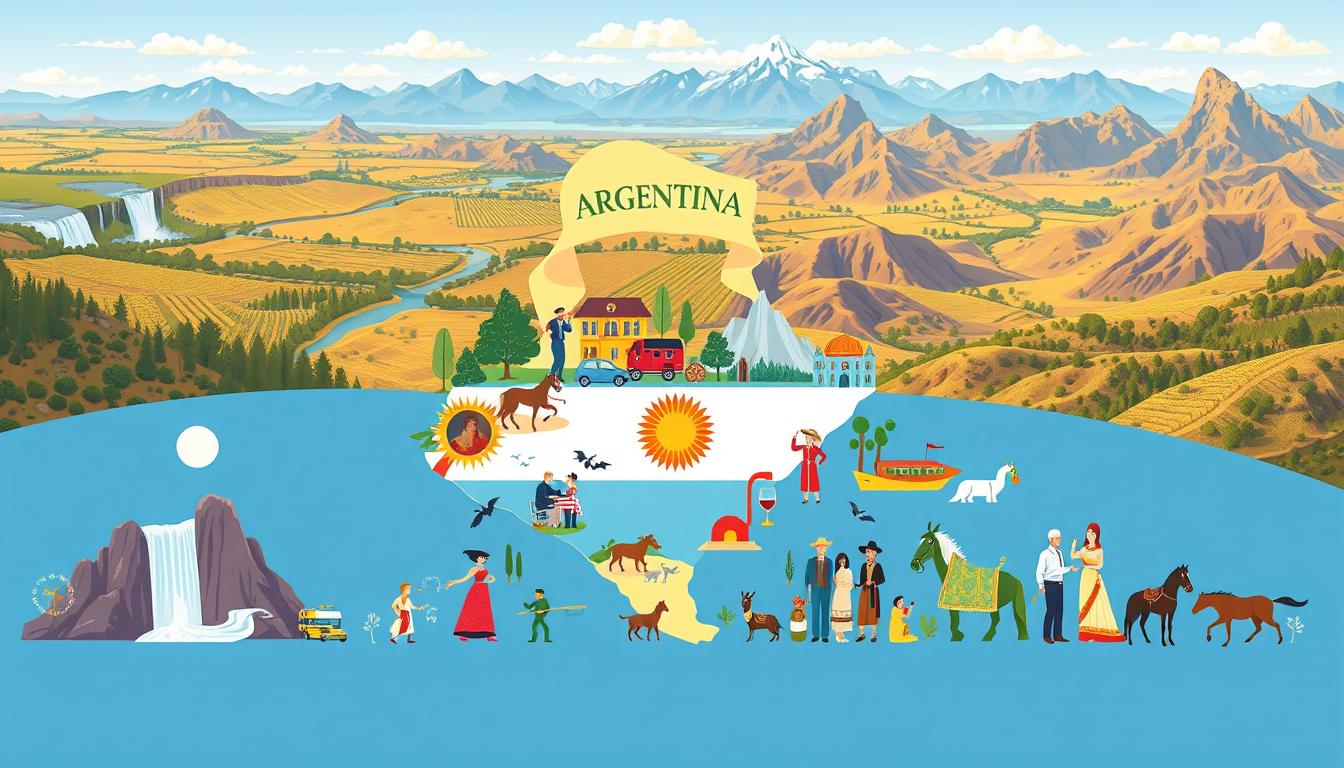
Exploring Argentine culture reveals a world full of interesting customs. Argentina’s rich cultural heritage makes it stand out. Its traditions are a big part of what makes this country special.
Pacha Mama: The Ancient Ritual of Feeding Mother Earth
In Argentina’s Andean regions, honoring Pacha Mama, or Mother Earth, is a tradition. People offer food and drink to the earth as a sign of thanks. They believe Pacha Mama gives them what they need, so they give her gifts in return.
Why Argentines Eat Lentils on New Year’s Eve
Eating lentils on New Year’s Eve is a big tradition in Argentina. It’s believed to bring luck and prosperity. This custom comes from Italy and is popular in many Latin American countries, including Argentina.
Gaucho Culture: The Cowboys Who Shaped a Nation
Gauchos, or Argentine cowboys, have greatly influenced the country’s culture. Their skills, like horse riding and cattle herding, are celebrated today.
The Traditional Skills Every Gaucho Must Master
Skill
Description
Horse Riding
Gauchos are expert horse riders, able to navigate the rugged terrain of the Argentine countryside.
Cattle Herding
They are skilled in herding cattle, a key task on ranches.
Roping and Lassoing
Gauchos are adept at using ropes and lassos to catch and manage cattle.
These traditions show off Argentina’s rich cultural heritage and unique identity. By learning about and embracing these customs, you can better understand the country and its people.
Conclusion: Why Argentina Should Be Your Next Travel Destination
Argentina will capture your heart with its rich culture, fascinating history, and stunning landscapes. From Buenos Aires’ lively streets to Iguazu Falls’ grandeur, there’s much to explore. These argentina culture facts and argentine history facts show it’s a land full of stories and traditions.
Experience the passionate tango dance, visit colorful La Boca, or see the famous Estadio Alberto J. Armando. Argentina offers something for every traveler. Whether you love food, history, or adventure, this country has it all. Start planning your trip to Argentina today. Its mix of European and indigenous cultures will surely impress you.
FAQ
What is the origin of the name “Argentina”?
The name “Argentina” comes from the Latin word “argentum,” meaning silver. This is because early explorers thought the area was full of silver.
What is the highest peak in Argentina?
Aconcagua is Argentina’s highest peak, standing at 22,841 feet. It’s the highest outside of Asia.
What is unique about 9 de Julio Avenue in Buenos Aires?
9 de Julio Avenue is the world’s widest street. It has up to 16 lanes, making it a famous landmark in Buenos Aires.
What is the significance of tango in Argentine culture?
Tango is a passionate dance from Buenos Aires. It shows the country’s rich culture and emotional side.
Who is Jorge Luis Borges and why is he important to Argentina?
Jorge Luis Borges was a famous Argentine writer. He’s seen as one of the most influential writers of the 20th century, leaving a big mark on Argentine literature.
What is the historical significance of the National University of Córdoba?
The National University of Córdoba is one of South America’s oldest universities. Founded in 1613, it shows Argentina’s long commitment to education.
Who was Evita and what was her impact on Argentine politics?
Evita was a beloved Argentine politician and actress. She became a symbol of hope for the working class, greatly impacting the country’s politics and social welfare.
What is asado, and why is it significant in Argentine cuisine?
Asado is Argentina’s traditional barbecue. It shows the country’s love for beef and social gatherings. Argentines eat more beef than anyone else.
What is the social significance of mate tea in Argentina?
Mate tea is a big part of Argentine culture. It symbolizes friendship, community, and identity.
How was dulce de leche invented?
Dulce de leche was accidentally made by Argentine cooks. They left sweetened milk simmering too long, creating the caramel-like spread we love today.
What is the most intense soccer rivalry in Argentina?
The rivalry between Boca Juniors and River Plate is the world’s most intense. It shows Argentina’s deep love for football.
Why is Argentina known for its polo dominance?
Argentina’s climate, open spaces, and breeding programs make it a polo powerhouse.
What makes Peninsula Valdés a unique natural wonder?
Peninsula Valdés is a UNESCO World Heritage Site. It’s a top spot for whale watching, as southern right whales come there to mate and give birth.
What is the significance of Iguazu Falls?
Iguazu Falls is a stunning sight, bigger than Niagara and Victoria Falls. It’s one of the world’s most impressive waterfalls.
Why do Argentines eat dinner late, often after 9 PM?
Eating dinner late is a cultural tradition in Argentina. It’s influenced by European customs and is a time for socializing and enjoying meals with family and friends.
What is the significance of Pacha Mama in Argentine culture?
Pacha Mama, or “Mother Earth,” is an ancient Andean tradition. It involves honoring the earth with food and drink, showing Argentina’s deep connection with nature.
Who is Juan Vucetich and what was his contribution to forensic science?
Juan Vucetich is known as the father of modern fingerprinting. He developed a system for classifying fingerprints that’s used today.
What is the Seven-Colored Hill of Purmamarca?
The Seven-Colored Hill is a natural wonder in Argentina. It features a hill with a rainbow-like effect, thanks to various minerals, creating a unique landscape.